

Recovery is a journey. Understanding what is happening beneath the skin can help clients feel more confident and reassured throughout the healing process.
If you’ve recently undergone liposuction and noticed hard lumps, tight areas or uneven texture beneath the skin, you’re not alone.
Many clients are surprised when their body doesn’t immediately feel smooth after surgery. In fact, it is quite common for treated areas to feel firm, tight or slightly lumpy during recovery. This can be worrying, especially when you’re eager to see your final results.
The good news is that, in many cases, these changes are simply part of the body’s natural healing journey.
One possible reason is fibrosis — a normal tissue remodelling process that can occur as your body repairs itself after surgery.
What Is Fibrosis?
As your body heals after liposuction, it naturally produces collagen and connective tissue to repair the treated areas.
Sometimes, this healing process can create temporary areas of firmness or tightness beneath the skin. This is commonly referred to as fibrosis.
Fibrosis may feel like:
- Hard lumps beneath the skin
- Firm or thickened patches
- Tight bands or “ropey” areas
- Tissue that feels less flexible
- Areas that feel uneven when touched
While the word may sound intimidating, mild fibrosis is often a normal part of healing and does not necessarily mean that anything has gone wrong.
Why Does Fibrosis Happen After Liposuction?
Although liposuction is considered a cosmetic procedure, your body still recognises it as a form of tissue injury and immediately begins the healing process.
This healing response includes:
- Inflammation
- Tissue repair
- Collagen production
- Scar tissue formation
- Tissue remodelling
Think of it as your body working hard behind the scenes to rebuild and strengthen the treated areas.
For some people, this process creates temporary areas of firmness as collagen fibres organise and mature beneath the skin.
When Does Fibrosis Usually Appear?
Many clients notice fibrosis becoming more apparent between three and six weeks after surgery.
This often happens at a time when bruising has improved and swelling is beginning to settle.
You may notice:
- Areas that feel harder than before
- Increased tightness
- Small lumps or ridges
- Reduced tissue mobility
- A feeling that the skin is “stuck” in certain areas
This stage can sometimes feel discouraging, but it is often a normal part of recovery.
Is Fibrosis Permanent?
In most cases, fibrosis continues to change and soften as healing progresses.
Your body is constantly remodelling tissue during recovery. What feels firm today may feel very different a few weeks or months later.
Every individual heals differently, and recovery can depend on factors such as:
- The treatment area
- Extent of surgery
- Individual healing response
- Circulation
- Activity levels
- Overall health
Patience is often one of the most important parts of the recovery process.
Fibrosis vs Swelling: What’s the Difference?
Many clients are unsure whether they are experiencing swelling or fibrosis.
Swelling often feels:
- Soft
- Puffy
- Fluid-like
- Variable throughout the day
Fibrosis often feels:
- Firm
- Dense
- Thickened
- Tight
- Less mobile
Some clients describe fibrosis as feeling like a small knot or cord beneath the skin.
Both swelling and fibrosis can occur at the same time during recovery.
Can You Prevent Fibrosis?
Because fibrosis is part of the body’s natural healing response, there is no guaranteed way to prevent it completely.
However, supporting your recovery may help encourage healthy tissue healing.
Some helpful habits include:
- Following your surgeon’s instructions
- Wearing compression garments as advised
- Staying well hydrated
- Gentle walking and movement
- Eating a balanced diet rich in protein
- Allowing your body adequate time to rest and recover
Recovery is not simply about what happens in the treatment room. It is also about giving your body the support it needs to heal well.
Supporting Tissue Mobility During Recovery
As tissues heal, some clients explore therapies that focus on circulation, lymphatic flow and tissue mobility.
The goal is not to force the body to heal faster, but rather to support the body’s natural recovery processes and help maintain tissue flexibility and comfort.
This may be particularly helpful for clients who experience:
- Persistent swelling
- Tightness
- Heaviness
- Reduced mobility
- Areas of firmness
How Can LPG Endermologie Support Recovery?
At Chez Moi, we often work with clients who are looking for gentle, non-invasive support during their post-surgical recovery journey.
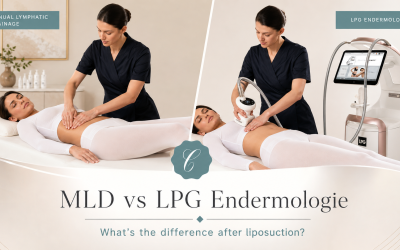
LPG Endermologie uses patented mechanical stimulation technology designed to support circulation, lymphatic flow and tissue mobility.
When incorporated appropriately and with medical clearance, recovery-focused LPG treatments may help support:
- Lymphatic drainage
- Tissue mobility
- Swelling reduction
- Scar and fibrosis management
- Overall comfort during recovery
Many clients appreciate that the treatment is gentle, comfortable and tailored according to their stage of healing.
Because every recovery journey is unique, treatment timing and protocols should always be individualised.
Recovery Is a Journey, Not a Race
One of the most important things we remind our clients is this:
Healing takes time.
It can be frustrating when your body feels swollen, tight or uneven, especially when you are looking forward to enjoying your results. However, these temporary changes are often part of the body’s remarkable ability to heal and rebuild itself.
At Chez Moi, we believe recovery is about more than appearance. It is about helping clients feel comfortable, supported and confident throughout every stage of their healing journey.
With patience, proper aftercare and the right support, your body can continue to improve and refine itself in the months that follow.
Frequently Asked Questions
Are hard lumps normal after liposuction?
Mild lumps or areas of firmness can occur during healing and may be related to swelling, fibrosis or tissue remodelling.
How long does fibrosis last after liposuction?
Every recovery journey is different. Some areas soften within weeks, while others continue to remodel over several months.
Does fibrosis mean my surgery was unsuccessful?
Not necessarily. Fibrosis is often part of the body’s normal healing response and does not automatically indicate a poor result.
Is fibrosis painful?
Some clients experience tenderness or tightness, while others simply notice firmness beneath the skin.
Can LPG Endermologie help with fibrosis?
When medically appropriate, LPG Endermologie may be used as part of a recovery-supportive programme to help improve tissue mobility, circulation and overall comfort during healing.