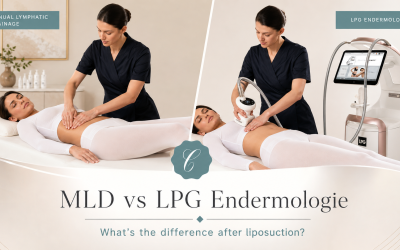

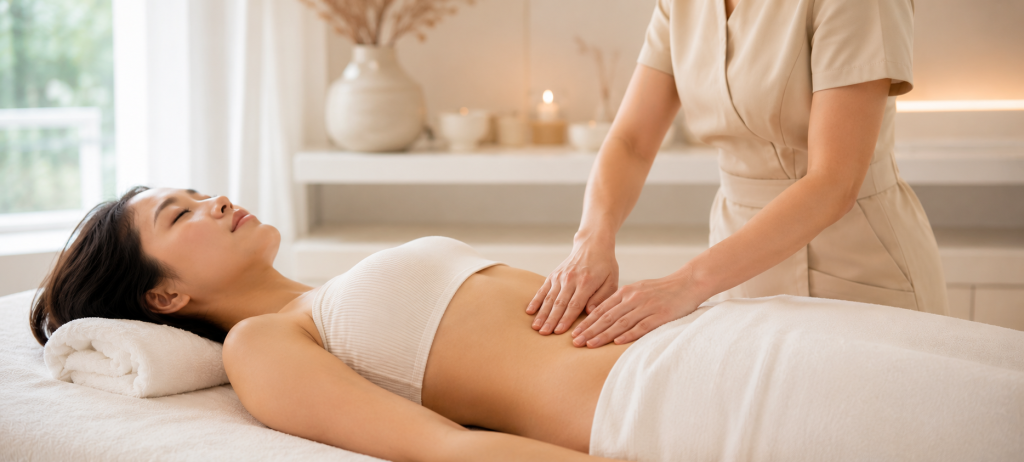
Gentle post-surgical recovery support should be focused on comfort, circulation, tissue mobility and overall healing after liposuction.
Liposuction can dramatically reshape body contours, but many people are surprised to learn that the recovery phase plays a huge role in how smooth, comfortable and refined the final results appear.
Swelling, tightness, fluid retention and tissue hardness are all common after liposuction — especially during the first few weeks and months. This is one reason why many doctors recommend some form of post-operative lymphatic drainage or tissue recovery support as part of the healing process.
At Chez Moi, we often see clients who feel anxious during recovery because their body feels “hard”, swollen, uneven or heavier than expected after surgery. In many cases, these are normal parts of the healing process — and understanding what is happening beneath the skin can help clients recover more comfortably and confidently.
What Happens To The Body After Liposuction?
Although liposuction is commonly viewed as a cosmetic slimming procedure, it is still a form of tissue trauma.
During the procedure:
- fat cells are disrupted and removed,
- tissues undergo mechanical stress,
- small blood and lymphatic vessels are affected,
- and inflammation is triggered as part of the body’s natural healing response.
This can lead to:
- swelling,
- fluid retention,
- bruising,
- tenderness,
- temporary numbness,
- fibrosis (hardening of tissue),
- and uneven texture during recovery.
The body then begins repairing itself through inflammation control, fluid drainage, collagen remodeling and tissue regeneration.
Why Swelling Can Last Longer Than Expected
Many people expect swelling to disappear within days, but post-liposuction swelling can persist for weeks or even months depending on:
- the treatment area,
- extent of liposuction,
- individual healing response,
- circulation,
- activity levels,
- hormonal factors,
- and overall lymphatic function.
The lymphatic system plays a major role here.
Unlike the bloodstream, the lymphatic system does not have a “pump” like the heart. It relies heavily on:
- movement,
- muscle activity,
- breathing,
- and external stimulation to help move fluid efficiently.
After surgery, this drainage process may temporarily slow down due to inflammation and tissue disruption.
What Is Lymphatic Drainage?
Lymphatic drainage refers to techniques designed to encourage the movement of lymphatic fluid through the body.
This may help support:
- circulation,
- fluid movement,
- tissue comfort,
- and reduction of temporary puffiness or heaviness.
Some doctors recommend gentle lymphatic support after liposuction because it may help:
- reduce feelings of congestion,
- improve comfort,
- soften hardened areas over time,
- and support smoother-looking recovery.
However, the timing and suitability depend greatly on the individual’s condition and the doctor’s clearance.
Why Some Clinics Use LPG Endermologie During Recovery
One non-invasive technology that can aid post-liposuction recovery is LPG Endermologie.
LPG uses patented mechanostimulation technology involving motorized rollers and controlled suction stimulation to mobilize soft tissues and support circulation.
The treatment is commonly used for:
- lymphatic stimulation,
- cellulite appearance,
- circulation support,
- skin toning,
- and tissue mobilization.
In post-liposuction recovery, some practitioners may use it to help:
- encourage fluid movement,
- soften fibrosis or tissue tightness,
- improve skin suppleness,
- and support overall tissue recovery.
Because the treatment is mechanical and non-invasive, many clients also find it more comfortable than aggressive manual massage techniques.
That said, intensity and protocols should always be adapted carefully for post-surgical tissue.
What Is Fibrosis After Liposuction?
Fibrosis refers to hardened or uneven tissue that may develop during healing.
Clients sometimes describe it as:
- “lumps,”
- “ropey areas,”
- “hard patches,”
- or “tight bands” beneath the skin.
This happens because collagen fibers and healing tissue can sometimes organize unevenly during recovery.
Gentle tissue mobilization and circulation support may help improve tissue softness and flexibility over time.
Recovery, however, is gradual — and patience is important.
When Should Post-Lipo Drainage Start?
This depends entirely on:
- the doctor’s instructions,
- pain level,
- swelling severity,
- and the type of procedure performed.
Many clinics recommend waiting approximately 3–4 weeks after surgery before starting more intensive mechanical bodywork, though some individuals may begin gentle drainage earlier with their doctor’s approval.
It is important not to start aggressive massage too early, especially when:
- bruising is significant,
- swelling is severe,
- tissues are highly tender,
- or healing is incomplete.
This is to ensure maximum comfort and safety during the treatment process. Always seek clearance from your surgeon first.
Can Lymphatic Drainage Replace Healthy Recovery Habits?
No.
Post-liposuction recovery still depends heavily on:
- proper hydration,
- adequate protein intake,
- compression garment compliance,
- walking and gentle movement,
- sleep,
- inflammation management,
- and following medical instructions.
Lymphatic drainage and supportive treatments should be viewed as complementary recovery support — not a substitute for medical care or healthy recovery practices.
Realistic Expectations Matter
Post-liposuction healing is rarely perfectly smooth in the beginning.
Many people experience phases where the body temporarily looks:
- puffier,
- uneven,
- firmer,
- or more swollen before improving.
This does not always mean something is wrong.
Tissue recovery often happens gradually over several months as swelling settles and collagen remodeling progresses.
Who May Benefit From Post-Lipo Recovery Support?
Some individuals who may consider supportive lymphatic or tissue recovery treatments include:
- those experiencing persistent swelling,
- tissue tightness or heaviness,
- mild fibrosis,
- skin stiffness,
- fluid retention,
- or uneven texture during healing.
Suitability depends on the individual’s recovery stage and medical clearance.
Supporting Recovery Holistically
At Chez Moi, we believe recovery is not just about appearance — but also comfort, circulation, tissue health and helping clients feel more at ease in their bodies during the healing process.
Our approach focuses on gentle, non-invasive support tailored carefully to the individual’s recovery stage and tolerance.
Because every body heals differently, post-liposuction care should always be approached patiently, progressively and with professional guidance.
Frequently Asked Questions
Is post-lipo drainage painful?
Gentle lymphatic treatments should generally not feel aggressively painful. Overly forceful pressure may irritate healing tissue.
How many sessions are needed?
This varies greatly depending on swelling, fibrosis, treatment area and individual healing response.
Can LPG remove fat after liposuction?
LPG is not a replacement for liposuction or weight loss. It is more commonly used to support circulation, tissue mobility, skin tone, wellness & relaxation and the appearance of cellulite.
Can I do drainage immediately after surgery?
Always follow your surgeon’s recommendations. Timing differs between individuals and procedures.
Is swelling normal after liposuction?
Yes. Swelling is a natural part of tissue healing and can persist for some time before fully settling.
Related Treatments at Chez Moi
- LPG Endermologie Body Treatments
- Indiba Proionic Therapy
- Body contouring and skin-firming therapies
- Post-procedure wellness support
You can also contact us for a personalised assessment based on your recovery stage and comfort level.