
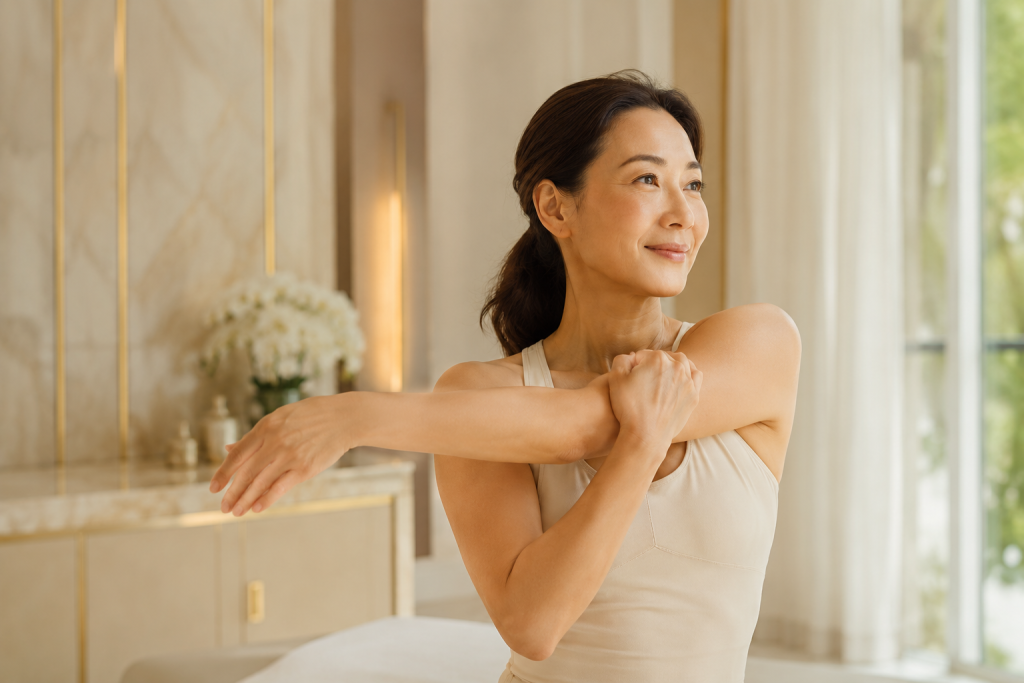
As tissues heal after surgery, maintaining mobility and flexibility can be an important part of the recovery journey. Gentle movement and appropriate recovery support may help improve comfort and tissue mobility over time.
If you’ve recently undergone liposuction or surgery and noticed that certain areas feel tight, restricted or “stuck”, you’re not imagining it.
Many clients describe sensations such as:
- “My skin feels like it’s pulling.”
- “Something feels tight when I stretch.”
- “The area doesn’t move the way it used to.”
- “It feels stuck underneath.”
These sensations can be frustrating, especially when you expect recovery to mean feeling better with each passing week.
Many clients worry that something has gone wrong with their recovery. In reality, these sensations are often part of the body’s natural healing and remodelling process.
One possible reason is scar adhesions — a common part of healing that can develop after surgery.
The good news is that understanding what adhesions are and how they form can help you feel more confident and reassured during your recovery journey.
What Are Scar Adhesions?
As your body heals after surgery, it naturally produces collagen and connective tissue to repair the treated area.
This healing process is essential. It helps close wounds, strengthen tissues and support recovery.
Sometimes, however, tissues that would normally glide smoothly over one another can become temporarily bound together as they heal.
These areas are commonly referred to as adhesions.
Rather than feeling lumpy or hard like fibrosis, adhesions often feel:
- Tight
- Restrictive
- Pulling
- Stiff
- Less mobile
Many clients simply describe the sensation as feeling “stuck”.
Why Do Adhesions Form?
Healing is an incredibly complex process.
After surgery, the body works hard to repair damaged tissues. During this process, collagen fibres are laid down to create structure and support.
Sometimes these collagen fibres can form connections between neighbouring tissues.
This may reduce the normal gliding movement between layers of skin, fascia and underlying tissues.
As a result, certain movements may feel less comfortable or more restricted than before.
What Do Adhesions Feel Like?
Every person experiences adhesions differently.
Some common sensations include:
- Pulling when stretching
- Tightness during movement
- Areas that feel tethered beneath the skin
- Reduced flexibility
- Stiffness in the treated area
- Discomfort when changing positions
Some clients notice these sensations more during exercise, reaching, twisting or everyday activities.
Others only become aware of them when they compare how one side of the body feels versus the other.
When Do Adhesions Develop?
Adhesions can develop gradually as healing progresses.
Many clients begin noticing tightness or restriction several weeks after surgery, often after the initial swelling and bruising have started to settle.
This can sometimes feel confusing because you may expect recovery to be complete once the visible signs of surgery improve.
In reality, tissue remodelling continues for months after surgery.
Healing does not stop when swelling begins to decrease.
Are Adhesions Permanent?
Not necessarily.
The body continues to remodel scar tissue and connective tissue throughout recovery.
Many adhesions soften and improve over time as tissues mature and adapt.
The process varies from person to person and depends on factors such as:
- Surgical procedure
- Recovery stage
- Individual healing response
- Activity levels
- Tissue condition
Patience and consistency are often important parts of the recovery journey.
What Happens If Adhesions Persist?
For many people, adhesions continue to soften and improve as tissues heal and remodel. However, when adhesions remain significant, they may contribute to ongoing feelings of restriction or discomfort.
Ongoing Tightness
Many clients describe a persistent pulling or tight sensation in the treated area.
This may be more noticeable during:
- Stretching
- Reaching
- Exercise
- Certain everyday movements
Reduced Tissue Mobility
Healthy tissues are designed to glide smoothly over one another during movement.
When adhesions develop, this natural mobility may be reduced, creating a sensation that the skin or tissues beneath feel less flexible than before.
Clients sometimes describe this as:
“The area feels stuck.”
or
“The skin doesn’t move normally.”
Altered Sensation
Some people become more aware of the treated area during daily activities.
This may present as:
- Mild stiffness
- Occasional tenderness
- Increased awareness of the area
- A sensation that something feels different beneath the skin
Not everyone experiences pain, but the area may feel less comfortable or natural compared to surrounding tissues.
Cosmetic Changes
In some cases, adhesions may contribute to visible changes in tissue appearance.
These can include:
- Contour irregularities
- Dimpling
- Areas that appear tethered
- Uneven skin movement during certain positions
This can be particularly relevant following body contouring procedures, where smooth tissue mobility contributes to the final aesthetic outcome.
While these changes can understandably be frustrating, it is important to remember that tissue remodelling continues for many months after surgery, and visible improvements can continue well beyond the early recovery period.
Supporting Tissue Mobility During Recovery
As tissues heal, some clients seek supportive therapies that focus on maintaining comfort, flexibility and mobility.
The goal is not to force tissues to change, but to support the body’s natural recovery processes and encourage healthy tissue movement.
This may be particularly helpful for clients experiencing:
- Tightness
- Pulling sensations
- Reduced mobility
- Scar-related discomfort
- Areas that feel restricted
How Can LPG Endermologie Support Tissue Mobility?
At Chez Moi, we often work with clients who are looking for gentle, non-invasive support during post-surgical recovery.
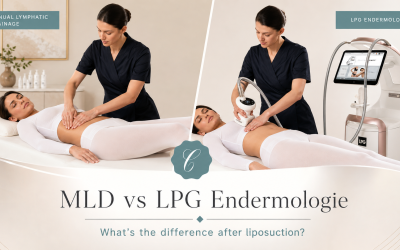
LPG Endermologie uses patented mechanical stimulation technology designed to support circulation, lymphatic flow and tissue mobility. It is commonly incorporated into recovery-focused programmes to help support scar mobilisation, tissue flexibility and overall comfort during healing.
Many clients appreciate that treatments can be tailored according to their stage of recovery and comfort level.
Because every recovery journey is different, treatment protocols should always be adapted to the individual’s needs and carried out with appropriate medical clearance.
Recovery Is About More Than Appearance
When people think about surgical recovery, they often focus on swelling or visible results.
However, comfort, mobility and how your body feels can be equally important.
Feeling restricted or uncomfortable can affect confidence, movement and everyday activities.
At Chez Moi, we believe recovery is not simply about looking better. It is about helping clients feel more comfortable, more connected to their body and more confident as they heal.
Frequently Asked Questions
Is it normal for my skin to feel tight after liposuction?
Yes. Many clients experience temporary tightness during recovery as tissues heal and remodel.
How do I know if I have adhesions?
Adhesions often feel like pulling, restriction or areas that seem stuck beneath the skin. They feel different from swelling and fibrosis.
Are adhesions the same as fibrosis?
No. Fibrosis usually feels firm or lumpy, while adhesions are more commonly associated with tightness, restriction and reduced tissue mobility.
Can adhesions improve over time?
Yes. As tissues continue to heal and remodel, adhesions may gradually soften and become less noticeable.
When Should I Seek Professional Advice?
If tightness, discomfort or restricted movement is affecting your daily activities, or if you have concerns about how your recovery is progressing, it is always advisable to consult your surgeon or healthcare provider. They can assess whether your healing is progressing as expected and advise on appropriate recovery support.
Can LPG Endermologie Help Support Scar Mobility?
When medically appropriate, LPG Endermologie may be incorporated into recovery programmes to support tissue mobility, scar mobilisation, circulation and overall comfort during healing.