
One of the most reassuring moments after liposuction is seeing the swelling finally begin to settle.
Your clothes fit a little better. The bruising fades. You start to see the new contours taking shape.
But then something unexpected happens.
Your body still feels tight.
Some areas remain firm or uneven.
Your skin doesn’t quite feel like your own.
You begin to wonder:
“If the swelling is going down, why don’t I feel fully healed yet?”
The answer is simple: because healing and swelling are not the same thing.
Although the swelling may be improving, your body is still working hard beneath the surface. Understanding what is happening during this stage of recovery can help you feel more confident about the healing process—and better appreciate why recovery continues long after surgery itself.
Healing Happens Beneath the Skin
Liposuction removes unwanted fat, but it also creates controlled trauma within the tissues.
During the procedure, tiny fat cells are removed while small blood vessels, lymphatic vessels and connective tissues are affected as part of the surgical process.
Your body immediately begins repairing itself.
This involves much more than reducing swelling.
Over the weeks and months that follow, your body is busy:
- repairing tiny blood vessels,
- restoring lymphatic circulation,
- rebuilding collagen,
- reorganising connective tissue,
- strengthening the skin’s supporting structure,
- and gradually adapting to its new contours.
Much of this happens quietly beneath the surface, long after bruising has faded.
Why Swelling Is Only One Part of Recovery
Swelling is often the most visible sign of healing, but it is only one chapter of a much longer story.
Think of your recovery like renovating a home.
Once the builders leave, the major construction work may be finished—but there is still painting, wiring, polishing and countless finishing touches taking place before everything feels complete.
Your body heals in a similar way.
As the swelling gradually settles, deeper tissues continue repairing themselves.
Collagen fibres are being reorganised.
New blood vessels continue developing.
Connective tissues slowly become more flexible.
This is why it’s perfectly normal to feel that your recovery is progressing, even if you don’t yet feel completely “back to normal.”
Why Do Some Areas Still Feel Hard or Tight?
Many clients tell us:
“The swelling has improved, but my tummy still feels hard.”
Or:
“My thighs feel tight when I walk.”
These sensations are often related to the body’s natural healing process rather than ongoing swelling alone.
As tissues repair themselves, collagen is laid down to strengthen the treated areas.
Over time, this collagen gradually remodels into a more organised structure.
During this phase, you may notice:
- Firmness
- Tightness
- Areas that feel uneven
- Mild pulling sensations
- Reduced tissue flexibility
These changes often continue improving over several months as healing progresses.
Your Skin Is Healing Too
After fat has been removed, your skin also needs time to adapt to your body’s new shape.
This isn’t an overnight process.
Healthy skin contains collagen and elastin, which help it remain firm, resilient and flexible.
Following liposuction, these supporting structures continue to remodel as the body heals.
For some people, particularly after larger-volume liposuction or as we naturally age, this process takes longer than expected.
This is one reason why final results are often assessed several months after surgery—not just a few weeks.
Recovery Is Different for Everyone
One of the biggest misconceptions about liposuction is that everyone heals according to the same timeline.
In reality, recovery is influenced by many factors, including:
- The treatment area
- The amount of fat removed
- Your age
- Skin quality
- Your body’s natural healing response
- Nutrition and hydration
- Activity levels
- Following your surgeon’s aftercare instructions
Some people notice rapid improvements, while others continue experiencing gradual changes for many months.
Both can be perfectly normal.
Supporting Your Body’s Natural Healing
Your body already knows how to heal itself.
The role of post-operative care is not to replace this remarkable process, but to support it.
A good recovery programme often includes:
- Wearing compression garments as advised.
- Gentle walking and movement.
- Staying well hydrated.
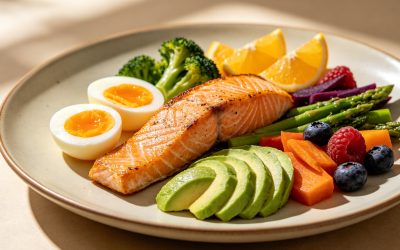
- Eating adequate protein to support tissue repair.
- Getting enough rest and sleep.
- Attending follow-up appointments with your surgeon.
Once your surgeon has given clearance, some clients also choose supportive recovery therapies.
Different therapies support different aspects of healing.
For example:
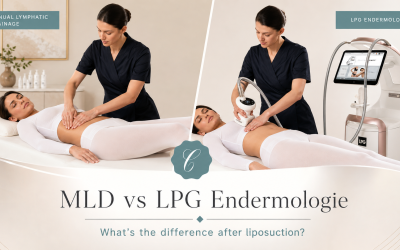
- Lymphatic drainage and LPG Endermologie are commonly used to support circulation, lymphatic flow, tissue mobility and fibrosis management.
- Radiofrequency therapies, such as Indiba Proionic Therapy, may be introduced later in recovery to support healthy cellular activity, circulation, collagen remodelling and tissue quality.
Rather than replacing your body’s natural healing, these therapies are designed to complement it at the appropriate stage of recovery.
Healing Is a Journey, Not a Finish Line
One of the most important things to remember is that recovery doesn’t end when the swelling goes down.
Beneath the surface, your body continues rebuilding itself long after surgery.
Collagen is still remodelling.
Connective tissues are still adapting.
Circulation continues improving.
Your skin continues responding to its new contours.
Understanding this can help explain why patience is such an important part of achieving the best possible outcome after liposuction.
Healing isn’t simply about waiting for the swelling to disappear.
It’s about giving your body the time and support it needs to recover well.
Frequently Asked Questions
My swelling is much better. Why do I still feel tight?
Although swelling may improve within weeks, deeper tissues continue healing for several months. Tightness and firmness are often part of this normal recovery process.
Is it normal to feel hard even after the bruising has gone?
Yes. Healing tissues continue producing and remodelling collagen long after bruising has resolved. Mild firmness often improves gradually over time.
Why does my skin still feel different?
Your skin is adapting to your body’s new contours while collagen and connective tissues continue remodelling. This process takes time.
Can recovery therapies help?
Once your surgeon has given medical clearance, some clients choose supportive therapies such as LPG Endermologie or Indiba Proionic Therapy to complement their recovery programme. These therapies are intended to support the body’s natural healing processes and should not replace your surgeon’s advice.
When will I see my final results?
Although everyone heals differently, many people continue noticing gradual improvements for several months after surgery as swelling settles and tissues continue remodelling.
Supporting Recovery Holistically
At Chez Moi De Beaute, we believe that recovery is about much more than appearance.
It is about helping your body heal comfortably, restoring healthy tissue function and supporting your natural recovery every step of the way.
Every person’s healing journey is unique.
With patience, appropriate post-operative care and guidance from your surgeon, your body has an incredible ability to repair, adapt and reveal the results of your surgery over time.
Sometimes, the most important part of recovery isn’t asking, “Why am I still healing?”
It’s understanding that healing was never meant to stop when the swelling did.